Managing confidential mail is a critical responsibility for individuals and businesses alike. Whether it’s financial statements, legal documents, medical records, or sensitive business correspondence, mishandling these materials can lead to identity theft, fraud, privacy breaches, and even legal consequences. With the rise of mail-based scams and digital threats, ensuring the secure handling of confidential mail has never been more important.
Virtual mailbox services and professional mail handling solutions offer modern methods to manage sensitive mail efficiently while keeping it secure. Here’s a comprehensive guide to best practices for confidential mail management.
Why Confidential Mail Requires Extra Security
Confidential mail often contains personal, financial, or proprietary information. Exposure or unauthorized access can result in:
-
Identity Theft – Criminals can misuse Social Security numbers, banking information, or personal identification.
-
Financial Loss – Stolen invoices, checks, or billing information can lead to fraud.
-
Privacy Violations – Sensitive personal or business correspondence may be compromised.
-
Legal Consequences – Mishandling legal notices or contracts can result in missed deadlines or regulatory non-compliance.
Given these risks, maintaining confidentiality and controlling access are essential components of effective mail management.
Best Practices for Handling Confidential Mail
1. Use a Secure Mailing Address
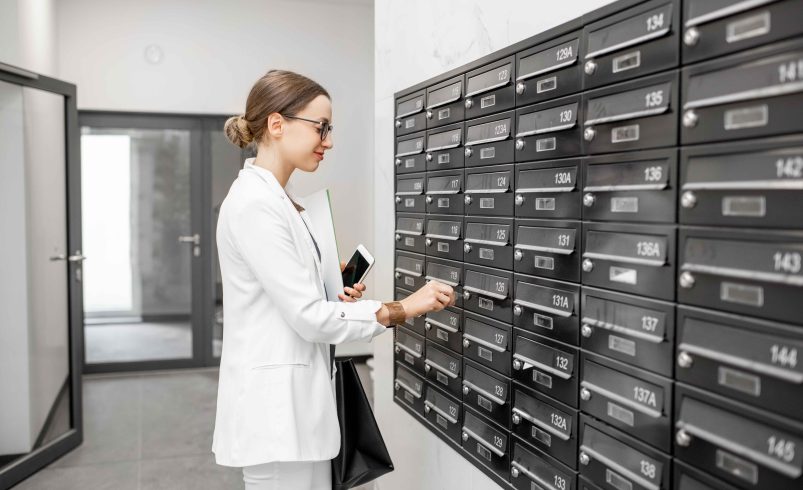
Avoid leaving sensitive mail in unmonitored home or office mailboxes. Virtual mailboxes or professional mail services provide secure street addresses where confidential correspondence can be received safely. Trained staff manage mail in controlled facilities, reducing the risk of theft or tampering.
2. Digitize Mail for Secure Access
Virtual mailbox providers scan confidential mail and upload it to an encrypted online portal. This allows users to:
-
View mail immediately
-
Download and securely store digital copies
-
Forward only essential physical documents
-
Maintain an organized archive
Digital access minimizes the need to handle sensitive items physically, reducing the chance of exposure.
3. Restrict Access
Confidential mail should be accessible only to authorized individuals. For businesses, implement user permissions in virtual mailbox portals to ensure that only designated personnel can view, download, or forward sensitive documents. Maintaining strict access control prevents accidental or malicious disclosure.
4. Monitor Mail Regularly
Prompt review of confidential correspondence is essential. Time-sensitive legal notices, bills, or contracts require quick action. By monitoring mail regularly, you reduce delays and prevent unauthorized use of sensitive information.
5. Securely Dispose of Unnecessary Documents
Shredding is a critical step in managing confidential mail. Virtual mailbox providers offer secure shredding for items you no longer need, preventing dumpster diving or accidental disclosure of sensitive data. Never discard confidential mail in ordinary trash or recycling.
Additional Tips for Individuals
For personal confidential mail:
-
Verify Senders – Confirm the legitimacy of unexpected bills or notices to avoid scams.
-
Use Strong Online Security – Protect digital portals with robust passwords and two-factor authentication.
-
Archive Important Documents – Store digital copies of tax forms, contracts, and statements securely for future reference.
-
Minimize Physical Forwarding – Only forward documents that require original copies to reduce exposure.
By following these practices, individuals can protect both identity and privacy effectively.
Additional Tips for Businesses
Businesses handle larger volumes of confidential mail and face greater regulatory responsibilities:
-
Centralize Mail Management – Consolidate mail for all departments or locations through a single secure service.
-
Implement Logging and Audit Trails – Maintain records of who accessed, forwarded, or downloaded confidential mail.
-
Use Secure Digital Archives – Organize financial statements, contracts, and legal documents digitally for easy retrieval and compliance.
-
Select Reputable Providers – Ensure virtual mailbox services are USPS-authorized and follow strict security protocols.
By combining these practices, businesses can safeguard sensitive information while improving operational efficiency.
Benefits of Professional Mail Services
Using virtual mailboxes or professional mail services provides multiple advantages for confidential mail management:
-
Enhanced Security – Controlled facilities, trained staff, and encrypted digital access protect sensitive data.
-
Convenience and Flexibility – Access mail from anywhere in the world without compromising security.
-
Organization and Archiving – Digital systems allow for efficient storage, labeling, and retrieval.
-
Risk Reduction – Protects against identity theft, mail fraud, and accidental disclosure.
These benefits make professional mail services a reliable choice for managing confidential correspondence.
Final Thoughts
Confidential mail management is essential for maintaining privacy, preventing fraud, and protecting both personal and business interests. By following best practices—such as using secure mailing addresses, digitizing mail, restricting access, monitoring correspondence, and securely disposing of unnecessary documents—you can minimize risk while maintaining efficiency.
Whether for individuals managing sensitive personal documents or businesses handling high volumes of confidential correspondence, adopting secure mail management practices is a critical step toward safeguarding valuable information. Professional mail services, including virtual mailboxes, offer the tools and systems to make confidential mail management both secure and convenient in today’s increasingly connected world.