
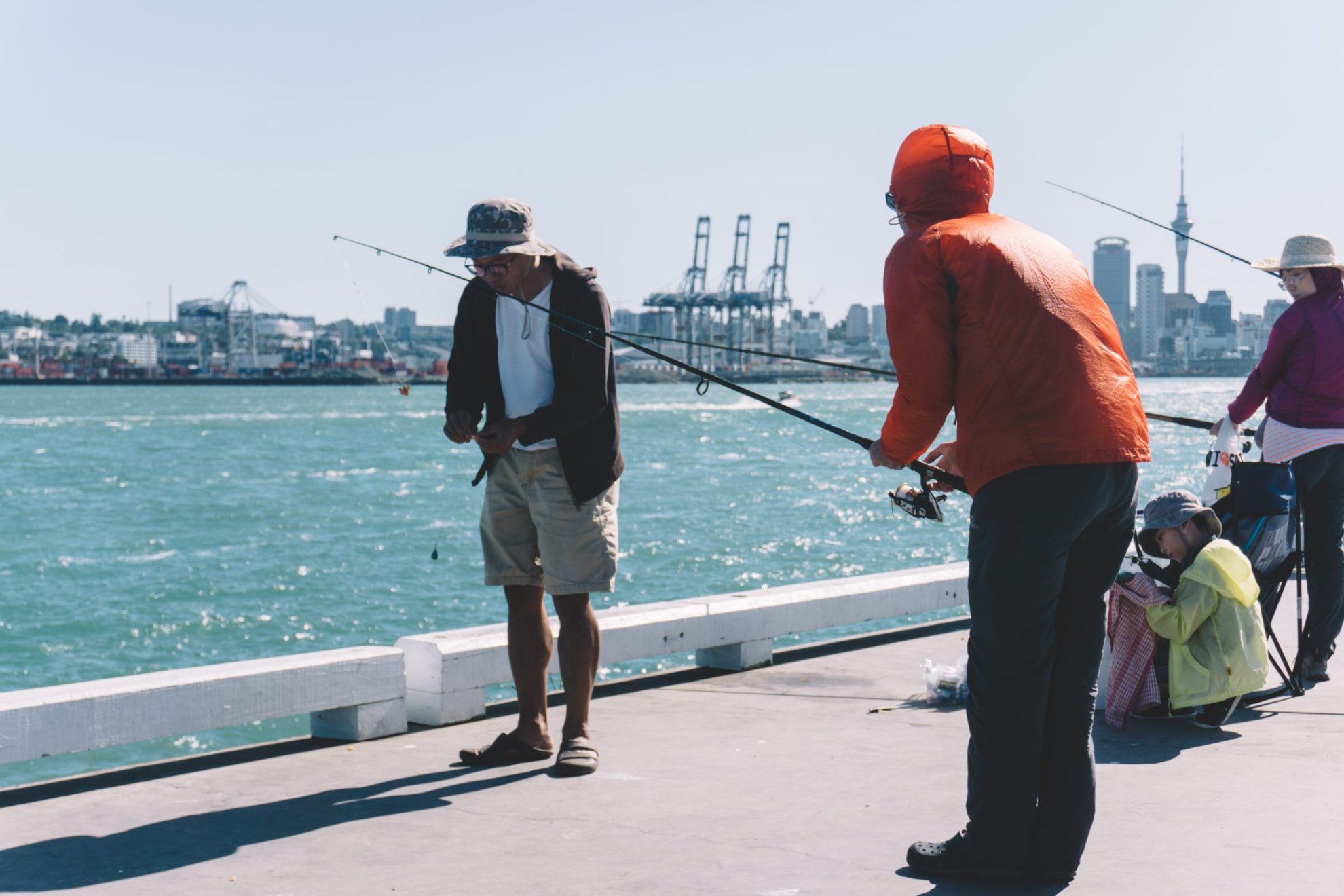
Fishing in a bustling city like Chicago may seem challenging at first, but the city offers a surprising number of accessible rivers, lakes, and harbors perfect for anglers. Urban fishing provides the unique experience of connecting with nature while remaining close to home, and with the right approach, it can be both productive and relaxing. Whether you’re a beginner or a seasoned angler, these tips will help you make the most of your urban fishing adventures.
Choose the Right Location
Selecting a good fishing spot is critical for success. Chicago offers a variety of urban angling locations:
- Chicago River: The North Branch and calmer tributaries offer peaceful stretches for fishing largemouth bass, bluegill, and catfish. Bridges and forest preserve access points provide convenient spots for shore fishing.
- Lake Michigan Shoreline: Popular piers such as Montrose Harbor, Belmont Harbor, and 31st Street Harbor provide access to trout, salmon, bass, and panfish.
- Forest Preserve Rivers and Creeks: Salt Creek, Des Plaines River, and Fox River sections flowing through urban preserves offer calm waters and abundant panfish, bass, and catfish.
When choosing a location, consider accessibility, safety, and amenities. Urban fishing spots often have nearby parking, restrooms, and picnic areas, which make your trip more comfortable.
Understand Seasonal Patterns
Fish behavior in urban waterways changes with the seasons, and knowing these patterns will improve your success:
- Spring: Many species, including bass and panfish, move into shallow waters to spawn. Shallow bays and areas with vegetation are productive.
- Summer: Fish often retreat to cooler, deeper pools and shaded areas during hot days. Early mornings and late evenings are the best times to fish.
- Fall: Predatory fish like northern pike and bass feed actively to prepare for winter, making this an ideal season for trophy catches.
- Winter: Ice fishing may be possible on lakes, but open-water fishing is limited to deeper pools or slow-moving rivers.
Adjust your fishing techniques, bait, and timing according to the season for better results.
Use the Right Gear
Urban fishing often requires versatile and lightweight gear:
- Rod and Reel: Medium-action spinning rods are ideal for beginners and versatile for multiple species.
- Line and Tackle: Monofilament line, basic hooks, bobbers, and split shot weights work well for panfish and bass. For larger species, heavier lines and artificial lures may be needed.
- Bait: Live bait like worms or minnows is effective, while soft plastics, crankbaits, and spoons can attract bass, pike, or trout.
- Safety Gear: Life jackets for children or when using boats, sunscreen, and protective clothing are essential.
Having the right gear reduces frustration and makes urban fishing more productive and enjoyable.
Learn to Read Water
Urban waterways may have currents, obstacles, and varying depths. Observing water conditions is key to locating fish:
- Look for submerged structures such as logs, rocks, or bridge pilings, which often attract fish.
- Focus on bends, pools, and backwaters, as fish tend to gather in calmer areas.
- Pay attention to water clarity and flow, adjusting bait and fishing technique to match conditions.
Reading the water is a skill that improves with experience, even in city environments.
Safety and Courtesy
Urban fishing comes with unique challenges, so safety is essential:
- Always follow IDNR regulations, including licenses, catch limits, and size restrictions.
- Watch for pedestrian and boating traffic in busy areas.
- Keep your area clean and free of litter to protect wildlife and maintain the environment.
- Stay aware of local hazards, such as slippery docks or uneven shorelines.
Respect for others and the environment ensures a safe and enjoyable fishing experience for everyone.
Make the Most of Your Trip
Urban fishing is not only about catching fish—it’s about enjoying the outdoors, observing wildlife, and relaxing. Bring snacks, water, and a camera to capture the experience. Early mornings often provide quieter, less crowded conditions, while evenings offer beautiful city reflections on the water. Families can combine fishing with walking, picnicking, or birdwatching for a full-day outing.
Final Thoughts
Fishing in Chicago’s urban waterways is both accessible and rewarding. By selecting the right locations, understanding seasonal fish behavior, using proper gear, reading the water, and practicing safety and courtesy, anglers can enjoy productive and memorable urban fishing experiences.
Whether you’re casting from the banks of the Chicago River, a Lake Michigan pier, or a forest preserve creek, urban fishing allows you to connect with nature without leaving the city. With these tips, both beginners and experienced anglers can maximize their success and fully enjoy Chicagoland’s urban angling opportunities.


