
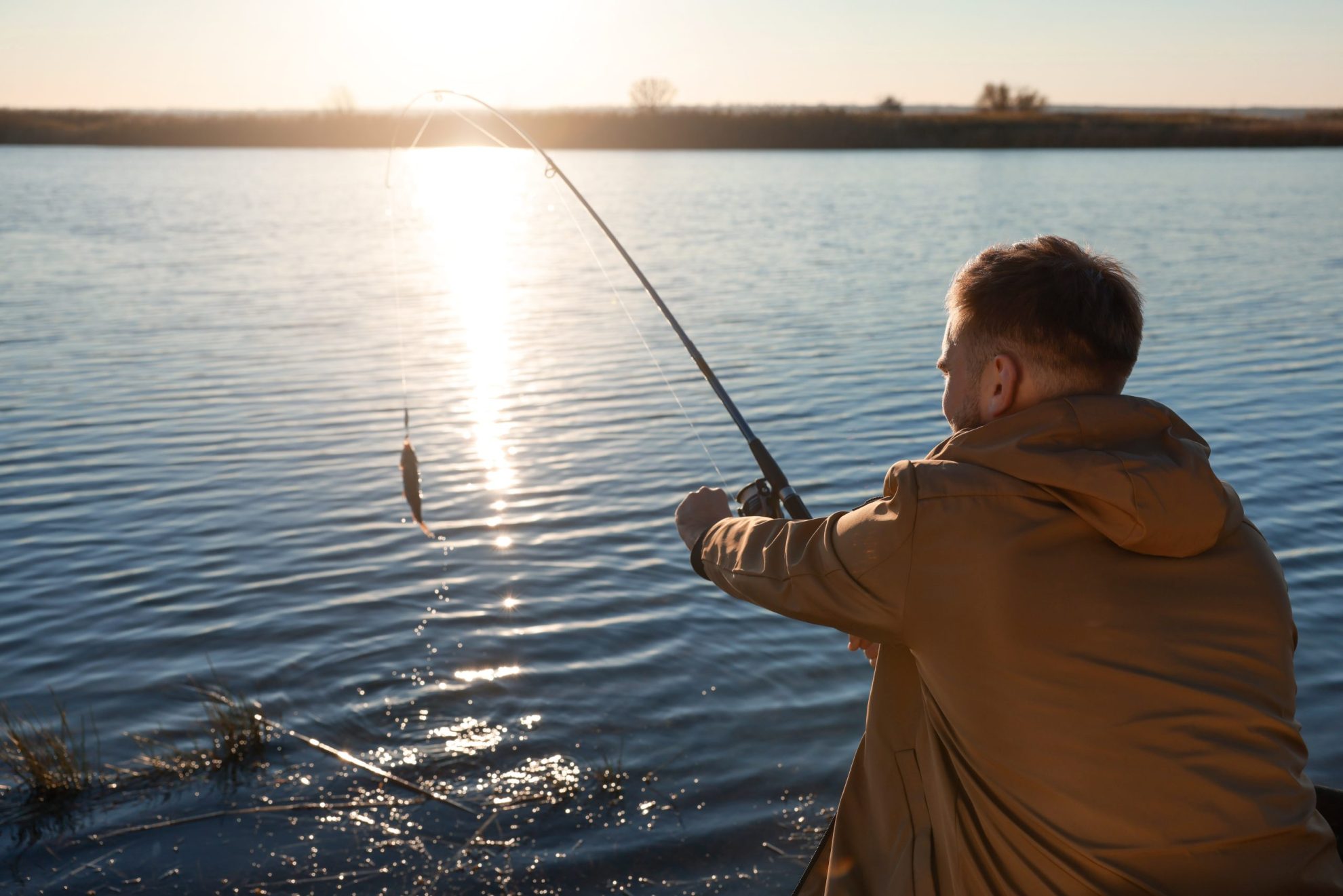
Fishing in Chicagoland is a year-round activity that offers something unique in every season. From springtime spawning action to the quiet stillness of ice fishing in winter, understanding how fish behavior changes throughout the year is key to success. By adjusting your techniques, bait, and locations based on the season, you can improve your chances of landing a great catch while enjoying the diverse fishing opportunities this region provides.
Spring: The Season of Opportunity
Spring is one of the best times to fish in Chicagoland. As water temperatures rise, fish become more active after the slow winter months. Species like largemouth bass, crappie, and bluegill move into shallow waters to feed and spawn.
During early spring, focus on areas where water warms quickly, such as shallow coves, shorelines, and areas with vegetation. Fish tend to gather near these spots because they provide both food and shelter.
Light tackle works well in spring. Small jigs, soft plastics, and live bait like worms or minnows are effective for attracting fish. Slow and steady retrieval is often the best approach, especially when water temperatures are still cool.
Spring is also a great time for beginners, as fish are generally more active and easier to catch. Just be mindful of local regulations, as some species may have seasonal restrictions during spawning periods.
Summer: Early Mornings and Late Evenings
Summer fishing in Chicagoland can be productive, but it requires careful timing. As temperatures rise, fish tend to move to deeper, cooler waters during the day and become more active during early morning and late evening hours.
Fishing at dawn or just before sunset often produces the best results. During these times, fish come closer to the surface to feed. Midday fishing can still be successful, but it usually requires targeting deeper water or shaded areas such as docks, bridges, and overhanging trees.
Topwater lures are particularly effective in summer, especially during low-light conditions. Crankbaits, spinnerbaits, and soft plastics also work well for bass and other predatory fish. For panfish, simple setups with bobbers and live bait remain reliable.
Staying hydrated and protecting yourself from the sun is important during summer fishing trips. Bring plenty of water, wear sunscreen, and take breaks when needed.
Fall: Feeding Frenzy
Fall is another excellent season for fishing in Chicagoland. As temperatures begin to drop, fish increase their feeding activity in preparation for winter. This period is often referred to as a “feeding frenzy,” making it one of the most productive times of the year.
Fish can be found in both shallow and mid-depth waters, depending on weather conditions. They often follow baitfish, so look for areas where smaller fish are active. Points, drop-offs, and areas with structure are good places to start.
Lures that mimic baitfish, such as crankbaits and jerkbaits, are particularly effective during fall. Faster retrieval speeds can also trigger aggressive strikes from fish that are actively feeding.
Fall fishing can be unpredictable due to changing weather conditions, so it’s important to stay flexible and adjust your approach as needed.
Winter: Ice Fishing Season
Winter transforms fishing in Chicagoland into a completely different experience. When lakes freeze over, anglers shift to ice fishing, which requires specialized gear and safety precautions.
Panfish like bluegill and crappie are common targets during winter, as they remain active under the ice. Using small jigs tipped with bait such as waxworms or spikes can be very effective.
Finding the right depth is key in winter. Fish often suspend at different levels, so drilling multiple holes and testing various depths can help you locate active fish.
Safety is critical during ice fishing. Always check ice thickness before venturing out, wear appropriate cold-weather gear, and avoid areas with moving water or thin ice.
Adapting to Local Waters
Chicagoland offers a mix of fishing environments, including small ponds, forest preserve lakes, rivers, and the vast waters of Lake Michigan. Each type of water requires a slightly different approach.
- Ponds and small lakes: Ideal for beginners, with easy access and consistent action for panfish and bass.
- Rivers: Require attention to current and structure, but can offer excellent fishing opportunities.
- Lake Michigan: Provides opportunities for larger species but may require more advanced techniques and equipment.
Understanding the specific characteristics of each location will help you choose the right gear and strategy for the season.
General Tips for Year-Round Success
- Observe the water: Look for movement, ripples, or feeding activity.
- Match the bait: Use lures or bait that resemble the natural food sources in the water.
- Be patient: Fishing success often comes with time and persistence.
- Stay informed: Check local reports and weather conditions before heading out.
Final Thoughts
Fishing in Chicagoland is a dynamic and rewarding experience that changes with the seasons. By understanding how fish behavior shifts throughout the year and adapting your techniques accordingly, you can enjoy consistent success no matter the time of year. Whether you are casting in the warmth of summer or drilling through ice in winter, each season offers its own unique challenges and opportunities for anglers of all skill levels.


